
In today’s fast-paced digital landscape, user experience (UX) design has evolved from a focus on mere functionality to creating experiences that spark joy. This shift isn’t just about making things work—it's about making them delightful. But how do we design these joyful experiences, especially when the conversation often revolves around product-based businesses? It’s time to explore the old versus the NueWay, the latest trends, and the age-old question: should we design for the individual or the masses?
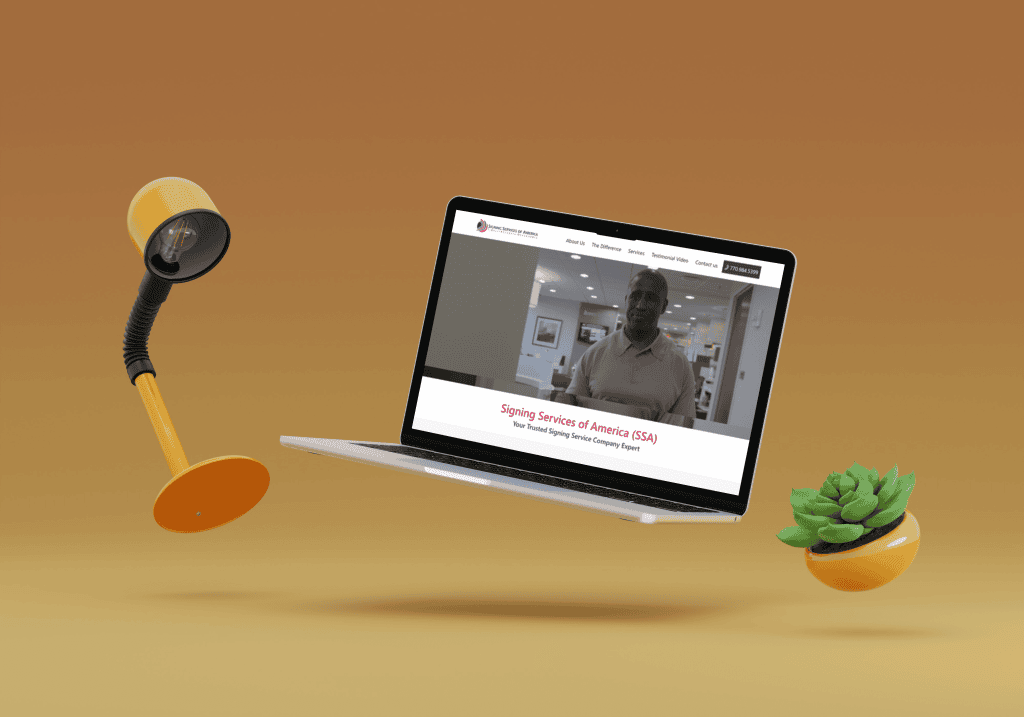
Traditionally, UX design has been about solving problems. The old way emphasized efficiency, usability, and functionality. Designers focused on making the user journey as seamless as possible—removing friction points, optimizing navigation, and ensuring that every interaction was intuitive. While these principles are still foundational, they often resulted in experiences that were effective but not necessarily engaging.
The NueWay of designing joyful user experiences goes beyond usability. It’s about creating emotional connections, crafting moments of surprise and delight, and making the user feel something. This approach is human-centered, prioritizing the user's feelings and emotions at every touchpoint. It’s not just about making something work—it’s about making it memorable.

As the digital landscape evolves, so do the trends in UX design. Here are a few that are shaping the future of joyful experiences:

One of the most significant debates in UX design is whether to focus on personalization (selling to one) or scalability (selling to many). It’s a dilemma that many businesses face: should we tailor our experience to each user, or should we create something that works for the majority?
Personalization offers a more tailored experience, which can lead to higher user satisfaction and loyalty. However, it requires a deep understanding of each user’s needs and preferences, which can be resource-intensive. On the other hand, designing for scale allows businesses to reach a broader audience but may result in a more generic experience.
LEGO: Building Joy Brick by Brick LEGO is the ultimate playground for creativity and fun. From intricate sets that challenge your mind to playful characters that spark your imagination, LEGO has been bringing joy to kids and adults alike for decades. Their marketing is a masterclass in engagement, using storytelling, interactive experiences, and a bit of magic to turn every build into an adventure.
Innocent Drinks: Sipping on Happiness Innocent Drinks knows how to make you smile even before you take a sip. Their fun and quirky packaging, filled with cheeky messages and bright designs, sets the tone for a joyful experience. They are transparent about their ingredients and processes, mixing humor with honesty to build a brand that feels like a friend sharing a laugh over a delicious, healthy smoothie.
Mailchimp: Making Emails Fun Who knew email marketing could be fun? Mailchimp did! With their playful design, humorous content, and friendly tone, they make creating and sending emails a joy rather than a chore. Their mascot, Freddie the Chimp, adds an extra layer of charm, making every interaction feel like a delightful chat with a witty pal.
M&M's: Melting Hearts, Not Just in Your Mouth M&M's have been spreading smiles with their colorful candy-coated chocolates for years. Their marketing is a perfect blend of humor and warmth, featuring the beloved Red and Yellow characters who always find themselves in hilarious situations. Whether it's a clever ad or a fun social media post, M&M's knows how to keep the joy flowing.
Disney: The Magic of Joyful Storytelling Disney is the king of creating joyful experiences that transport you to a world of wonder. From enchanting movies to magical theme parks, Disney captures the essence of happiness and imagination. Their storytelling, beloved characters, and immersive experiences make every interaction a delightful journey filled with smiles and memories. experience.
The solution lies in finding a balance. By leveraging data and technology, businesses can create scalable experiences that still feel personalized. For example, using AI and machine learning, companies can offer personalized recommendations or content without sacrificing scalability. It’s about creating the illusion of personalization on a large scale.

Most UX design discussions focus on product-based businesses, but what about service-based ones? Service-based businesses, such as consulting firms, healthcare providers, or even marketing agencies, face unique challenges in designing joyful experiences.
Unlike products, services are intangible, and the experience often depends on human interactions. Designing for service-based businesses requires a deep understanding of customer journeys and touchpoints, from the initial contact to post-service follow-up. Joy in these experiences comes from creating seamless, personalized, and empathetic interactions at every stage.
For service-based businesses, the key to a joyful UX lies in the details—ensuring that every interaction, whether digital or human, is consistent, empathetic, and aligned with the brand’s values. It’s about anticipating the customer’s needs, addressing their pain points, and exceeding their expectations.

Designing joyful user experiences is no longer just about solving problems; it’s about creating moments of delight that resonate with users on an emotional level. As we move into a new era of UX design, businesses must embrace the latest trends, find the balance between personalization and scale, and recognize the unique challenges of service-based experiences.
By doing so, we can create not just functional, but joyful experiences that leave a lasting impression on users—experiences that make them feel valued, understood, and, most importantly, delighted.